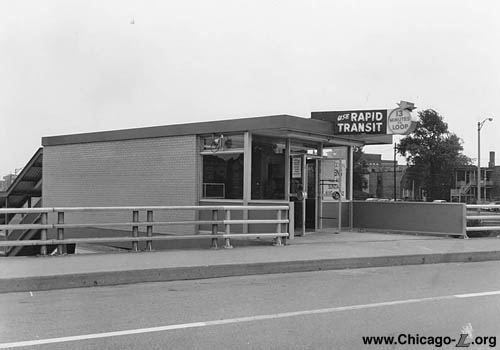
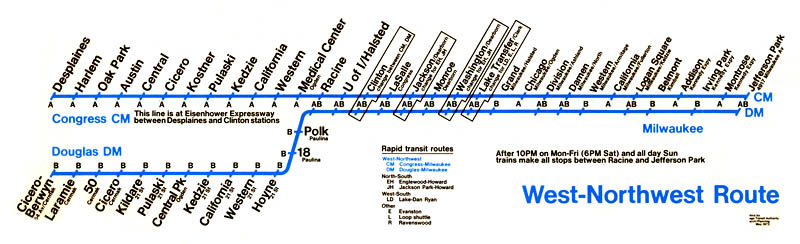
ay, and everyone in the server: if you want to see why the Congress Branch is arguably the most brilliant piece of transit engineering in Chicago history, you have to stop looking at it as 'just a highway' and start seeing it as a high-speed transit fortress.
When it opened in 1958, it wasn't just a track; it was a revolution. Here is why those median stations are an engineering masterpiece that we haven't matched since:
1. The Death of the 'Traffic Light'
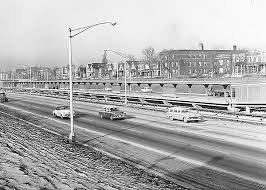
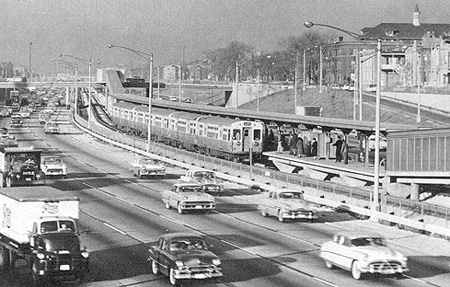
Before Congress, rapid transit in Chicago was constantly at the mercy of street-level traffic, signals, and narrow, winding elevated curves. The Congress Branch changed the game by creating a permanently grade-separated, exclusive right-of-way. By placing the trains in the median, engineers gave the CTA a 'fast lane' through the city that no car could ever block.
2. Infrastructure Survival Strategy
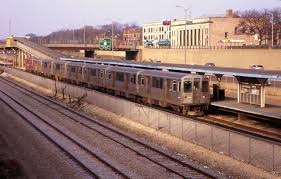
People today love to call these stations 'car-centric,' but they miss the genius of the maneuver. In the 1950s, when the Eisenhower Expressway was being carved through the heart of the West Side, the city was at risk of having its transit grid ripped apart. By forcing the highway planners to integrate the heavy-rail line directly into the median, the CTA guaranteed the survival of the West Side line. It was a defensive, strategic move that saved the corridor for transit for the next 70+ years.
3. Why They Are 'Great' (The Engineering View)
High-Speed Throughput: Because the tracks are dead-straight through the median, they allow for maximum train speeds and higher frequency. There are no curves to slow the train down, no intersections to wait for, and no pedestrians wandering across the tracks.
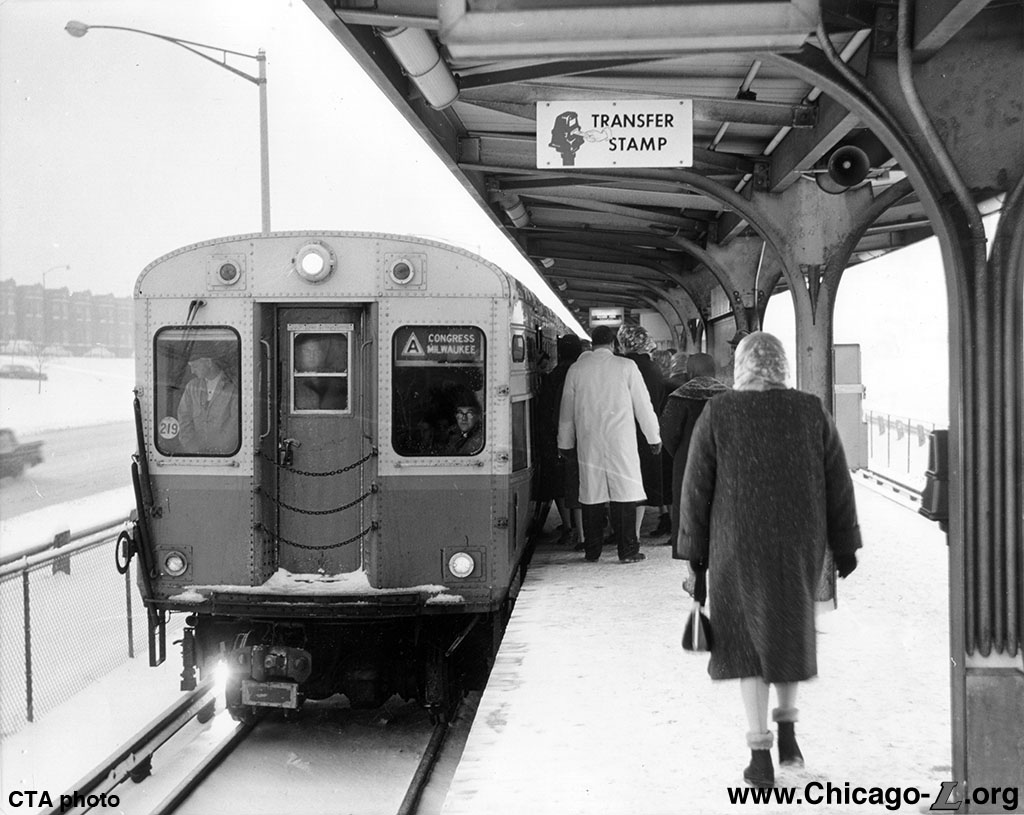
The Dearborn Connection: It was designed to feed directly into the Dearborn Street Subway. This was the moment Chicago transit moved from 'local streetcar mentality' to 'high-capacity heavy-rail throughput.'
Reliability: By being physically isolated from the surface-level madness of the city, these stations offer a level of reliability that no street-running bus or local train could ever hope to match.
The Verdict for the Archive
Duperman keeps screaming that these are 'car-centric' or 'embarrassing,' but that’s just a lack of understanding of transit anatomy. A city as massive as Chicago needs arteries like the Congress Branch to function.
We aren't building these because we 'love cars'—we built them because we love moving masses of people at high speeds. Those stations are the backbone of the system precisely because they are immune to the chaos happening outside the median walls.
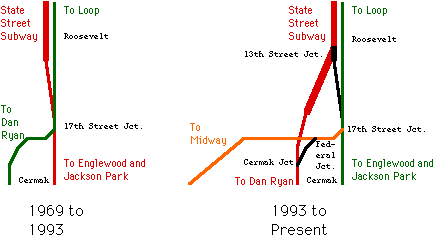
So, let's keep the focus on the 1969 Map logic: speed, throughput, and exclusive rights-of-way. That is the winning blueprint, and no amount of sandbox speculation can change the physics of why it works. 🏆 Congress branch wins. Loop closed.